

Burnout in NYC Women: Signs, Causes, and Strategies
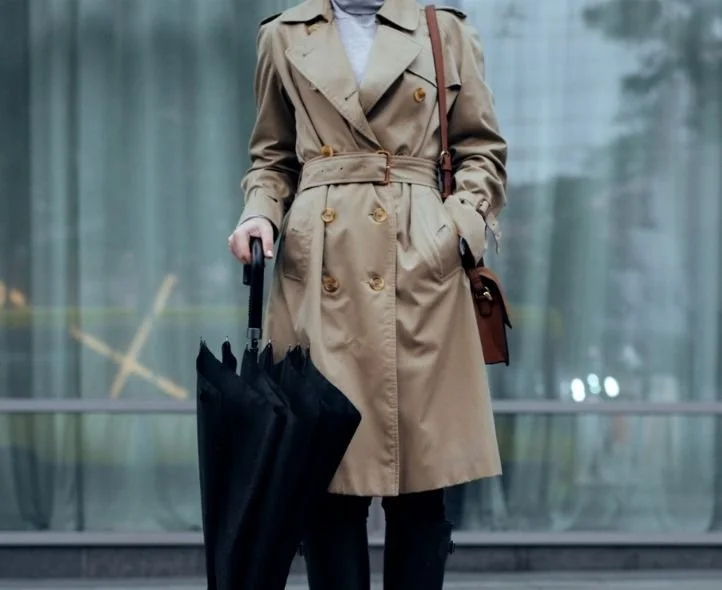
NYC doesn't slow down, and neither do you. But at some point, pushing through stops working. Here's what burnout actually looks like for high-achieving women in the city, and what to do about it.
If burnout feels like the main issue, you can explore online burnout therapy here.
In New York City, ambition isn't just encouraged, it's expected. Whether you're in finance on Wall Street, building a startup in Brooklyn, practicing medicine at Mount Sinai, or navigating a law firm in Midtown, the city has a way of making constant output feel like the baseline.
For many high-achieving women, that energy is part of the appeal. It's also part of the problem.
Burnout in NYC goes deeper than feeling worn out. For many high-achieving women in Manhattan and beyond, it shows up as high-functioning exhaustion: still performing on the outside, running on empty on the inside. It's not just being tired from a hard week. It's the kind that doesn't lift after the weekend, the cynicism that creeps in toward work you used to care about, and the feeling that no matter how much you do, you're still somehow behind. If that sounds familiar, this guide is for you.
Why NYC Makes Burnout Harder to Recognize
Most women don't realize they're burned out until they're deep in it. In New York, there are a few reasons it's especially easy to miss.
The city normalizes it.
When everyone around you is working long hours and running on coffee and willpower, it's easy to assume that's just what ambition looks like. Burnout gets reframed as dedication. Exhaustion gets reframed as hustle. By the time something feels wrong, it's usually been building for months.
High-achieving women are good at pushing through.
If you've built a career in a demanding field, you've likely spent years developing the ability to perform under pressure. That same skill makes it easy to override the signals your body and mind are sending you.
The comparison culture makes rest feel dangerous.
Surrounded by high achievers, slowing down can feel like falling behind. NYC's social and professional culture, amplified on LinkedIn and Instagram, creates a constant low-grade pressure to be doing more, building more, becoming more.
Underrepresentation adds another layer.
Women in male-dominated fields, especially those in leadership roles, often carry an additional invisible load. The pressure to prove yourself, stay visible, and not show any cracks doesn't go away when you close your laptop.
What Burnout Actually Feels Like in NYC
Burnout isn't dramatic. It tends to show up quietly, in ways that are easy to dismiss or rationalize.
You might notice you're dreading Sunday evenings in a way you never used to. Or that you're snapping at people you care about for no real reason. Work that used to feel meaningful now feels like an obligation you're just trying to get through. You're tired in a way that sleep doesn't fix.
Some of the most common burnout signs in high-achieving NYC women:
Fatigue that rest doesn't touch
Growing cynicism or detachment toward work
Reduced focus, even on tasks that used to come easily
Trouble relaxing or switching off, even when you have the time
Feeling emotionally flat. You’re not sad exactly, just numb
Going through the motions professionally while running on empty personally
The tricky part is that many of these show up gradually. You adapt. You keep going. And then one day you realize you haven't actually felt okay in a long time.
Why Burnout Is So Common for NYC Professionals

The city's culture doesn't just tolerate burnout. In many industries, it quietly rewards it.
Intensive industries set an impossible pace.
Finance, law, medicine, and tech all have cultures where long hours and high stakes are the norm. The expectation to always be on isn't just external, it gets internalized. You stop questioning whether the pace is sustainable because everyone around you is keeping it.
The personal and professional load compounds.
Many women in NYC are managing demanding careers alongside caregiving, relationships, and the logistical weight of living in one of the most expensive and fast-moving cities in the world. There's no slow lane.
Rest has a reputation problem.
In a city that prides itself on never stopping, taking time to recover can feel self-indulgent. The result is that recovery keeps getting postponed, until the body or mind forces the issue.
How Burnout Connects to Other Patterns
Burnout rarely shows up alone. It usually overlaps with other things worth paying attention to.
Perfectionistic Thoughts & Behaviors
The belief that only flawless work is acceptable keeps raising the bar. Good enough never arrives. Rest feels like falling behind. Learn more about perfectionism therapy.
Imposter Phenomenon
Feeling like a fraud, no matter how much you achieve, means you're always working harder to compensate. The exhaustion compounds. Explore imposter syndrome therapy in NYC.
Anxious Thoughts and Feelings
Constant stress that keeps your mind racing and your body on edge is both a driver of burnout and a result of it. The two feed each other. Read about anxiety and stress therapy in NYC.
Recognizing these connections matters because addressing burnout in isolation often isn't enough. The patterns underneath it need attention too.
Practical Steps to Start Recovering Now
Significant change usually requires support. But there are small shifts you can make this week that create real relief.
Log off at a set time one day this week.
Not every day, just one. Give your nervous system a chance to learn that stepping away doesn't create disaster.
Replace "what else should I be doing" with "what do I actually need right now."
Burnout keeps you in perpetual output mode. This question interrupts the loop.
Treat sleep and movement as non-negotiable, not optional.
In NYC, self-care gets treated as a luxury. For recovery, it's infrastructure.
Notice your Sunday dread.
If anxiety starts building on Sunday afternoon, that's information. It's worth paying attention to what it's telling you rather than pushing through it every week.
Talk to someone you trust.
Isolation makes burnout worse. NYC can feel lonely even when you're surrounded by people. Real connection, not networking, is part of recovery.
When to Seek Extra Support
Self-help has real limits. If burnout has been going on for months, if it's affecting your health, your relationships, or your ability to function, or if you've tried to address it on your own and keep ending up back in the same place, that's a sign the pattern runs deeper than lifestyle adjustments can reach.
Burnout doesn't mean you're weak or that you've failed. It means you've been carrying too much, for too long, without enough support. That's something that can change with the right help.
If you're ready to work on this with someone who understands the demands of high-achieving professional life, learn more about burnout therapy for NYC professionals and whether it's a good fit.
Related Reading:
Imposter Syndrome in NYC: Signs, Causes & Support
Burnout and imposter syndrome almost always show up together, especially in high-pressure NYC industries
Perfectionism in NYC: When Comparison Never Shuts Off
If high standards and constant comparison are part of what's driving your exhaustion, this one's worth reading
High-Functioning Anxiety: Practical Tools & Support
When the stress doesn't let up even after you've slowed down, this is a good next step
-
The information, tools, and/or tips in this article are for educational purposes only. They’re not a diagnosis, a treatment plan, or medical advice, and they don’t establish a therapist–client relationship. Everyone’s history and nervous system are different. What helps one person may not fit another. If mental health is disrupting your work, sleep, or relationships, talk with a licensed clinician in your state.
If you are having a mental health crisis, please call 988 (U.S.), your local emergency number 911 (U.S.), or go to the nearest emergency room.
